Step into the world of Virtual networking events where connections transcend borders and opportunities abound with just a click. From planning to engagement strategies, uncover the secrets to successful virtual networking!
Introduction to Virtual Networking Events
Virtual networking events are online gatherings where professionals from various industries connect, communicate, and build relationships in a virtual environment. These events are designed to facilitate networking opportunities, share knowledge and insights, and create new business connections without the need for physical presence.
Popular Virtual Networking Platforms
- LinkedIn Events: LinkedIn offers a platform for hosting virtual networking events, allowing professionals to connect and engage with each other.
- Zoom: Zoom has become a popular choice for hosting virtual networking events due to its video conferencing capabilities and ease of use.
- Remo: Remo is a virtual event platform that provides interactive features like virtual tables for networking and collaboration.
Benefits of Virtual Networking Events
- Accessibility: Virtual networking events can be attended from anywhere, eliminating the need for travel and allowing professionals to connect globally.
- Cost-Effective: Hosting virtual events is often more affordable than in-person events, saving on venue rental, catering, and other logistical expenses.
- Increased Reach: Virtual networking events have the potential to reach a larger audience, opening up opportunities for connecting with a diverse group of professionals.
- Flexibility: Participants can join virtual networking events from the comfort of their own space, making it easier to balance work and networking opportunities.
Planning a Virtual Networking Event
When planning a virtual networking event, it is important to consider various factors to ensure its success. From selecting the right format to effectively promoting the event, each step plays a crucial role in maximizing attendance and engagement.
Steps to Plan a Successful Virtual Networking Event
- Define your networking goals: Before organizing the event, clearly Artikel your objectives and what you hope to achieve through networking.
- Choose the right virtual platform: Select a platform that aligns with your event goals and offers features like breakout rooms, networking lounges, and interactive tools.
- Set a date and time: Consider the availability of your target audience and choose a date and time that maximize participation.
- Curate engaging content: Plan informative sessions, workshops, or panels that cater to the interests of your attendees.
- Promote your event: Utilize social media, email marketing, and networking platforms to create buzz around your event and attract attendees.
- Provide networking opportunities: Incorporate virtual networking sessions, icebreakers, and matchmaking tools to facilitate connections among participants.
- Collect feedback: After the event, gather feedback from attendees to evaluate the success of the event and identify areas for improvement.
Selecting the Right Virtual Event Format for Different Networking Goals
- Webinars: Ideal for sharing knowledge and expertise with a larger audience.
- Virtual Conferences: Suitable for hosting multiple sessions, workshops, and networking opportunities over several days.
- Networking Mixers: Perfect for informal networking sessions, speed networking, and one-on-one meetings.
- Virtual Trade Shows: Great for showcasing products, services, and connecting with potential clients or partners.
Effectively Promoting a Virtual Networking Event to Maximize Attendance
- Utilize social media platforms to create event pages, share engaging content, and reach a wider audience.
- Send personalized email invitations to your target audience with compelling event details and registration links.
- Collaborate with industry influencers, partners, or sponsors to promote the event to their networks.
- Offer early bird discounts, giveaways, or exclusive perks to incentivize early registration and boost attendance.
- Engage with potential attendees through teaser content, behind-the-scenes sneak peeks, and interactive polls to generate excitement.
Engaging Participants in Virtual Networking Events
Engaging participants in virtual networking events is crucial to ensure active participation and meaningful connections. By incorporating interactive activities, breakout sessions, and icebreakers, organizers can create a dynamic and engaging environment for attendees to connect and network effectively.
Interactive Activities
Interactive activities are a great way to keep participants engaged during virtual networking events. These activities can range from virtual games, polls, quizzes, to interactive challenges that encourage participants to collaborate and communicate with each other. By incorporating interactive elements, organizers can create a fun and engaging atmosphere that fosters connections and networking opportunities.
Breakout Sessions
Breakout sessions allow participants to engage in smaller group discussions or activities, providing them with the opportunity to connect with like-minded individuals on a more personal level. These sessions can focus on specific topics or themes, allowing participants to delve deeper into discussions and build meaningful relationships. By incorporating breakout sessions, organizers can facilitate more intimate interactions and networking opportunities for attendees.
Icebreakers
Icebreakers are a great way to kick off virtual networking events and break the ice among participants. These activities are designed to encourage networking, communication, and collaboration among attendees by creating a relaxed and informal environment. Icebreakers can range from fun questions, trivia games, to virtual team-building exercises that help participants get to know each other and start conversations. By incorporating icebreakers, organizers can set a positive tone for the event and encourage active participation from the start.
Leveraging Technology for Virtual Networking
In the digital age, technology plays a crucial role in facilitating virtual networking events. Utilizing the right tools and platforms can enhance engagement, communication, and overall experience for participants.
Essential Technology Tools for Virtual Networking
- Video Conferencing Software: Platforms like Zoom, Microsoft Teams, or Google Meet provide the foundation for hosting virtual networking events by enabling face-to-face interactions.
- Networking Apps: Tools like Remo, Hopin, or Airmeet offer features such as virtual tables, breakout rooms, and chat functions to simulate in-person networking environments.
- Event Management Software: Platforms like Eventbrite or Cvent help organizers manage registrations, send invitations, and track event analytics for virtual networking events.
Comparison of Virtual Event Platforms
- Features: Evaluate platforms based on features like interactive sessions, networking opportunities, and integration with other tools.
- Ease of Use: Consider the user-friendliness of the platform for both organizers and participants to ensure a seamless experience.
- Customization Options: Look for platforms that allow customization of branding, event layouts, and interactive elements to align with the networking event’s objectives.
Importance of Technical Support in Virtual Networking Events
- 24/7 Support: Ensure that technical support is available round the clock to address any issues that participants may encounter during the event.
- Pre-event Testing: Conduct thorough testing of technology tools and platforms to identify and resolve any potential technical glitches before the event starts.
- Clear Communication: Provide participants with detailed instructions on how to access and navigate the virtual networking event to minimize technical difficulties.
Social Networking Integration
In today’s digital age, social networking features play a crucial role in enhancing virtual networking events. By integrating social media platforms into virtual networking experiences, event organizers can leverage various benefits and create opportunities for participants to connect and engage before, during, and after the event.
Benefits of Social Networking Integration
- Increased Reach: Social media platforms have a vast user base, allowing event organizers to reach a larger audience and attract more participants to virtual networking events.
- Enhanced Engagement: Social networking tools provide interactive features such as comments, likes, and shares, which can boost engagement among participants and foster meaningful connections.
- Real-time Communication: Social media platforms enable instant communication, allowing participants to connect with each other, share insights, and collaborate in real-time during virtual networking events.
- Networking Opportunities: By integrating social networking tools, event organizers can create dedicated groups or forums where participants can network, exchange contacts, and build relationships beyond the event.
Leveraging Social Networking Tools
- Pre-Event Promotion: Use social media platforms to promote the virtual networking event, share updates, and encourage participants to register and spread the word within their networks.
- Live Interaction: During the event, encourage participants to use hashtags, tag fellow attendees, and share their experiences on social media platforms to create buzz and facilitate networking opportunities.
- Post-Event Follow-up: After the event, continue the conversation on social media by sharing highlights, thanking participants for their engagement, and encouraging them to stay connected and continue networking.
End of Discussion
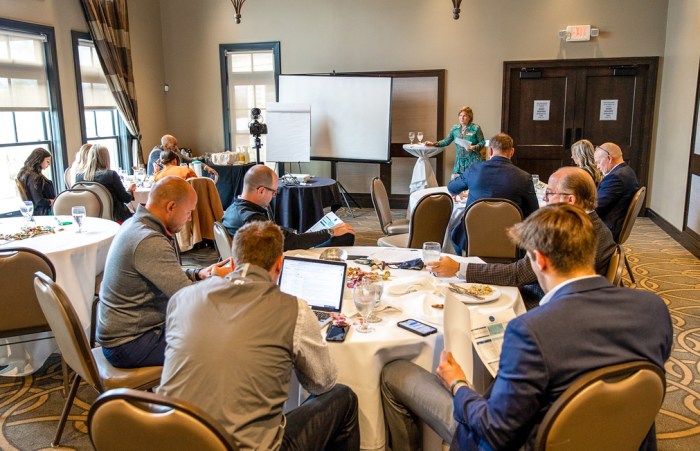
Embrace the future of networking with Virtual networking events, where innovation meets interaction, and relationships are forged in the digital realm. Elevate your networking game today!
Question Bank
How can I ensure a smooth virtual networking experience?
To ensure a seamless experience, test your technology beforehand, provide clear instructions to participants, and have technical support on standby.
What are some unique virtual event formats for networking purposes?
Consider virtual speed networking, virtual roundtable discussions, or themed networking sessions to add a fun twist to your events.
How can I maximize engagement during virtual networking events?
Utilize interactive tools like polls, Q&A sessions, and virtual breakout rooms to keep participants engaged and foster meaningful connections.