Step into the dynamic world of social media platforms where evolution meets impact, and comparison sparks curiosity. Get ready for a rollercoaster ride through the digital realm!
From the rise of popular platforms to their profound societal effects, this overview will delve into the heart of social media’s influence on communication and beyond.
Social Media Platforms

Social media platforms have become an integral part of our daily lives, allowing us to connect, share, and communicate with others on a global scale. Let’s explore the evolution of social media platforms and their impact on society and communication.
Overview of Popular Social Media Platforms
- Facebook: Launched in 2004, Facebook is the largest social networking platform with over 2.8 billion monthly active users.
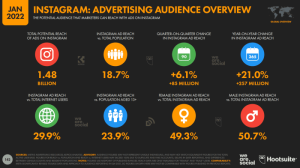
- Instagram: Known for its visual content, Instagram has over 1 billion users and is popular among younger demographics.
- Twitter: With 330 million monthly active users, Twitter is a microblogging platform where users share short messages called tweets.
- LinkedIn: Geared towards professionals, LinkedIn has over 740 million members worldwide and focuses on networking and career development.
- TikTok: A newer platform, TikTok has gained immense popularity for short-form video content and has over 1 billion users.
Evolution of Social Media Platforms
- Social media platforms have evolved from basic networking sites to complex ecosystems offering various features like live streaming, stories, and e-commerce integration.
- The rise of mobile technology has transformed how we access social media, making it more convenient and accessible on-the-go.
- Integration of AI and algorithms has personalized content delivery, enhancing user experience and engagement on social media platforms.
Impact on Society and Communication
- Social media platforms have revolutionized how we communicate, breaking down barriers of distance and connecting people from all corners of the globe.
- They have played a significant role in shaping public opinion, influencing consumer behavior, and facilitating social movements and activism.
- However, social media platforms have also been criticized for fostering misinformation, cyberbullying, and addiction, raising concerns about privacy and mental health.
Comparison of Features
- Facebook offers a wide range of features like groups, events, and marketplace, while Twitter focuses on real-time updates and trending topics.
- Instagram is popular for its visual content and filters, whereas LinkedIn is known for professional networking and job opportunities.
- TikTok stands out for its short-form video content and viral challenges, attracting a younger audience compared to other platforms.
Social networking
Social networking involves connecting and interacting with others online through various social media platforms. In today’s digital age, social networking plays a crucial role in staying connected, sharing information, building relationships, and promoting businesses.
Importance of Social Networking
Social networking is essential in the digital age as it allows individuals and businesses to reach a wider audience, engage with customers in real-time, and build brand awareness. It also provides opportunities for networking, collaboration, and staying updated on current trends and news.
Differences from Traditional Networking
Social networking differs from traditional networking by providing a more accessible, immediate, and global platform for communication. Unlike traditional networking, social networking allows for the sharing of multimedia content, real-time interactions, and the ability to connect with a diverse range of people from around the world.
Benefits of Social Networking
- Increased visibility and brand awareness
- Cost-effective marketing and advertising
- Improved customer engagement and feedback
- Networking and collaboration opportunities
- Access to a global audience
Successful Social Networking Strategies
- Consistent and engaging content creation
- Active participation in online communities and discussions
- Utilizing analytics and data to track performance
- Collaborating with influencers and partners
- Engaging with followers and responding to feedback
Epilogue

As we wrap up our journey through social media platforms, remember the ever-changing landscape and the power they hold in shaping our connections and conversations. The digital realm continues to evolve, and so do the platforms that define our online interactions.
FAQ Overview
How have social media platforms evolved over the years?
Social media platforms have evolved from simple networking sites to complex ecosystems offering diverse features like live streaming, AR filters, and targeted advertising.
What impact do social media platforms have on society?
Social media platforms have revolutionized communication, connecting people globally while also raising concerns about privacy, mental health, and the spread of misinformation.
What are some successful social networking strategies?
Successful social networking strategies involve engaging content, active community management, influencer collaborations, and data-driven insights to optimize reach and engagement.