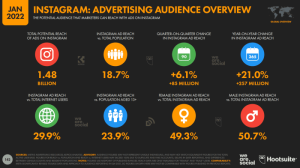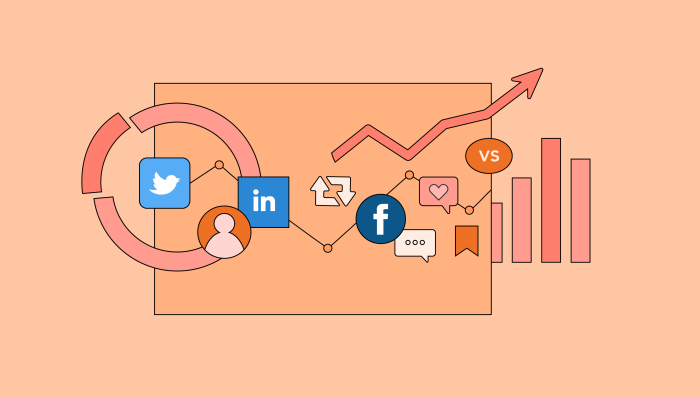
Social media analytics sets the stage for this enthralling narrative, offering readers a glimpse into a story that is rich in detail with entertaining interactive style and brimming with originality from the outset.
Dive into the world of social media analytics where data reigns supreme and insights drive decisions for businesses navigating the digital landscape.
Social Media Analytics
Social media analytics refers to the process of gathering and analyzing data from social media platforms to make informed decisions. This data can include metrics such as engagement, reach, likes, shares, comments, and more. By analyzing this data, businesses can gain valuable insights into their audience’s preferences, behaviors, and trends.
Examples of Social Media Analytics Tools
- Hootsuite: A popular social media management tool that offers analytics features to track engagement and performance across multiple platforms.
- Google Analytics: While primarily used for website analytics, Google Analytics can also track social media traffic and user behavior on social media platforms.
- Sprout Social: This tool provides in-depth analytics on social media performance, audience demographics, and engagement metrics.
- Buffer: Another social media management tool that offers analytics to help businesses track the performance of their social media content.
The Importance of Social Media Analytics for Businesses
Social media analytics is crucial for businesses to understand the effectiveness of their social media strategies and campaigns. By analyzing data such as engagement rates, audience demographics, and content performance, businesses can optimize their social media efforts to reach their target audience more effectively. Additionally, social media analytics can help businesses track their return on investment (ROI) and make data-driven decisions to improve their overall marketing strategy.
Types of Social Media Metrics
In social media analytics, various types of metrics are used to measure the performance and effectiveness of social media campaigns. These metrics help businesses understand the impact of their social media activities and make informed decisions to improve their strategies.
Engagement Metrics vs. Reach Metrics
Engagement metrics and reach metrics are two key types of metrics used in social media analytics. While both are essential in evaluating the success of a social media campaign, they serve different purposes.
- Engagement Metrics: These metrics focus on how users interact with content on social media platforms. Examples include likes, comments, shares, and clicks. Engagement metrics indicate the level of audience involvement and the effectiveness of content in capturing users’ attention.
- Reach Metrics: Reach metrics measure the total number of people who have seen a particular piece of content on social media. This includes metrics like impressions, views, and followers. Reach metrics help businesses understand the extent of their online visibility and brand awareness.
It’s essential to analyze both engagement and reach metrics to get a comprehensive view of the performance of social media campaigns.
Significance of Conversion Metrics
Conversion metrics play a crucial role in social media analytics as they indicate the effectiveness of converting social media interactions into desired actions, such as making a purchase or signing up for a newsletter.
- Conversion Rate: This metric measures the percentage of users who have completed a desired action after interacting with social media content. A high conversion rate indicates that the content has been successful in driving user actions.
- Click-Through Rate (CTR): CTR measures the percentage of users who click on a link included in social media content. It helps businesses assess the effectiveness of their call-to-action strategies.
- Return on Investment (ROI): ROI measures the profitability of social media campaigns by comparing the revenue generated with the cost of running the campaigns. It helps businesses determine the overall success and impact of their social media efforts.
Social Media Monitoring
Social media monitoring is the process of observing, listening, and analyzing conversations and interactions across various social media platforms. It helps businesses track their online presence, monitor brand sentiment, and gather insights to improve their marketing strategies. Social media monitoring is closely related to analytics as it provides the data needed to analyze and measure the effectiveness of social media campaigns.
Popular Social Media Monitoring Tools
- Hootsuite: A comprehensive social media management tool that allows users to monitor multiple social media accounts, track s, and analyze performance metrics.
- Buffer: Another popular platform for scheduling posts, engaging with followers, and monitoring social media conversations in real-time.
- Brandwatch: Known for its advanced social listening capabilities, Brandwatch helps businesses track brand mentions, sentiment analysis, and competitive insights.
- Sprout Social: Offers a range of monitoring features, including tracking, social media inbox, and performance reporting for multiple networks.
Benefits of Real-Time Monitoring in Social Media Analytics
Real-time monitoring in social media analytics allows businesses to stay updated on the latest trends, news, and conversations happening online. It enables them to respond promptly to customer inquiries, address potential crises, and capitalize on opportunities as they arise. By monitoring social media in real-time, businesses can make data-driven decisions, optimize their online presence, and enhance customer engagement.
Sentiment Analysis in Social Media
Sentiment analysis in social media involves the use of natural language processing, text analysis, and computational linguistics to identify and extract subjective information from social media content. This allows businesses to understand the sentiment, opinions, and emotions expressed by users towards their brand, products, or services.
Importance of Sentiment Analysis
Sentiment analysis can be used to gauge public perception, monitor brand reputation, and identify trends in customer feedback. By analyzing the sentiment of social media posts, businesses can gain valuable insights into customer opinions and preferences.
- Identifying Customer Sentiment: Sentiment analysis helps businesses understand whether customers are expressing positive, negative, or neutral opinions about their brand.
- Monitoring Brand Reputation: By analyzing social media sentiment, companies can track how their brand is perceived by the public and take necessary actions to address any negative feedback.
- Identifying Customer Needs: Sentiment analysis can reveal common issues or concerns raised by customers, helping businesses improve their products or services to meet customer demands.
Challenges of Sentiment Analysis on Social Media Platforms
While sentiment analysis can provide valuable insights, there are challenges associated with analyzing social media content due to the unstructured nature of online conversations and the use of slang, sarcasm, and emojis.
- Contextual Understanding: Understanding the context in which a sentiment is expressed can be challenging, as social media posts may contain sarcasm or irony that could be misinterpreted by automated tools.
- Data Noise: Social media platforms are filled with noise, including spam, irrelevant content, and off-topic discussions, which can affect the accuracy of sentiment analysis results.
- Language Variations: Different languages, dialects, and colloquialisms used on social media can make it difficult to accurately analyze sentiment across diverse audiences.
Social Network Analysis
Social network analysis is a technique used in social media analytics to analyze the relationships and interactions between individuals or entities within a network. By examining the connections and patterns within a social network, businesses can gain valuable insights into their audience, influencers, and community dynamics.
Key Metrics in Social Network Analysis
- Network Size: The total number of connections within a social network, indicating the reach and potential influence of the network.
- Network Density: The degree of interconnectedness among members of the network, providing insights into communication patterns and collaboration opportunities.
- Centrality: Identifying key influencers or central nodes within the network who have a significant impact on others, helping businesses target their messaging effectively.
- Clustering Coefficient: Measures the extent to which nodes within a network tend to cluster together, revealing subgroups or communities within the larger network.
- Reachability: Evaluates how easily information can spread through the network, guiding businesses in optimizing their content dissemination strategies.
How Social Network Analysis Benefits Businesses
- Identifying Influencers: By analyzing social network structures, businesses can identify influential individuals who can help amplify their message and reach a larger audience.
- Community Engagement: Understanding network dynamics allows businesses to engage with different community segments effectively, fostering relationships and driving brand loyalty.
- Content Strategy Optimization: Insights from social network analysis help businesses tailor their content to resonate with specific network segments, increasing engagement and conversion rates.
- Competitive Analysis: Comparing social network structures with competitors can reveal gaps and opportunities for businesses to differentiate themselves and gain a competitive edge.
- Risk Management: Detecting potential disruptions or weaknesses in the network early on enables businesses to mitigate risks and maintain a strong online presence.
Closing Notes
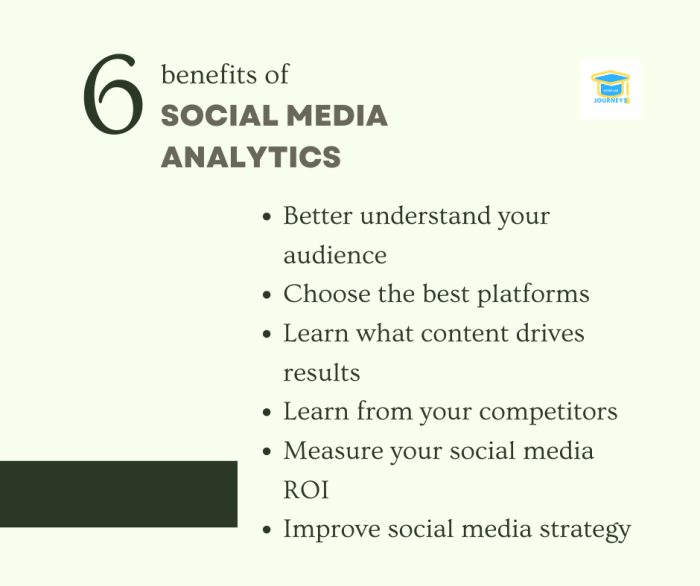
As we wrap up this exploration into social media analytics, it’s clear that harnessing the power of data is essential for businesses looking to thrive in the competitive realm of online presence. With the right tools and strategies, the possibilities are endless in leveraging social media analytics to propel success.
FAQ Guide
What is the main goal of social media analytics?
Social media analytics aims to help businesses understand and leverage data insights from various social media platforms to enhance their online presence and marketing strategies.
How can businesses benefit from social media monitoring?
Social media monitoring allows businesses to track brand mentions, customer feedback, and industry trends in real-time, enabling them to make informed decisions and engage with their audience effectively.
What role does sentiment analysis play in social media analytics?
Sentiment analysis helps businesses gauge customer sentiments towards their brand, products, or services by analyzing social media content, reviews, and comments, providing valuable insights for reputation management and customer satisfaction.